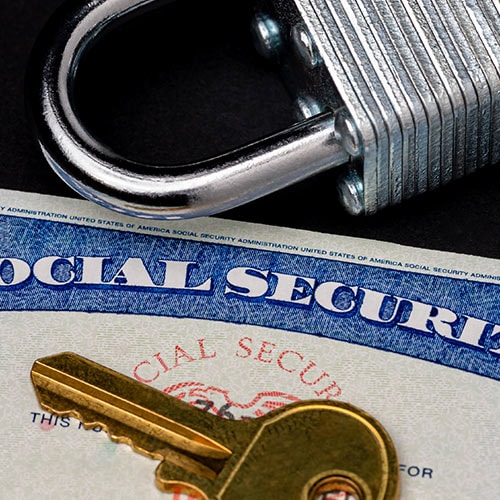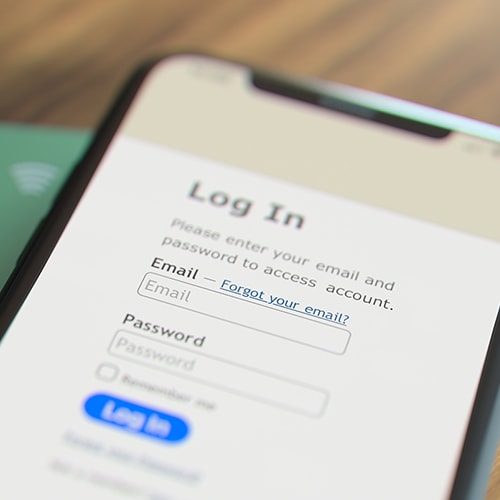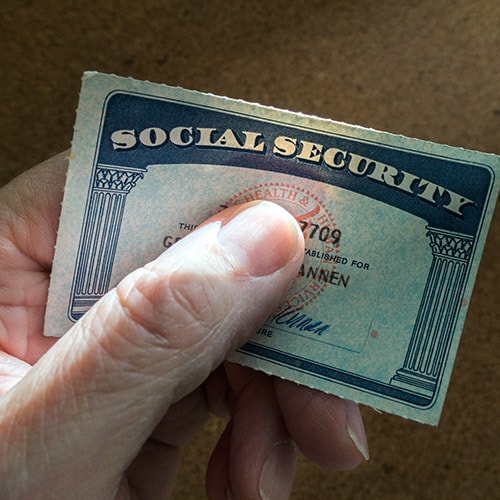


Has your personal data been recently exposed?
Check if information like your Social Security number, email, and passwords is exposed on the dark web.

You have reached the maximum number of scans allowed. Please come back after 24 hours.

Scanning the dark web...
Scanning public databases...
Scanning millions of records...
Narrowing down the search...
We need more information
Please enter a few more details to ensure we show you the right information.
You’re at high risk
We found your personal information on the dark web and on data broker sites.
 Up to $3M Reimbursement for identity theft, with up to $1M for Stolen Funds†††
$10K Scam Reimbursement7
Scam Support
Credit, Checking and Savings Activity Alerts: Unlimited Accounts
Credit & Payday Loan Lock2
Credit Monitoring:
3 Bureau1
Automatic Data Broker Removal8
Dark Web Monitoring
Priority 24/7 Customer Phone Support
Up to $3M Reimbursement for identity theft, with up to $1M for Stolen Funds†††
$10K Scam Reimbursement7
Scam Support
Credit, Checking and Savings Activity Alerts: Unlimited Accounts
Credit & Payday Loan Lock2
Credit Monitoring:
3 Bureau1
Automatic Data Broker Removal8
Dark Web Monitoring
Priority 24/7 Customer Phone Support
LifeLock Total

No one can prevent all cybercrime or prevent all identity theft.
- Price valid for introductory term. After that, your price will renew at the standard price.
- Your subscription begins immediately after your transaction is complete. A payment method is required at sign-up for trials, and you will be charged at the end of your trial, unless canceled first.
- Prices are subject to change and may be charged up to 35 days prior to renewal. Cancel here or contact Member Services.
- Restrictions apply. Automatically renewing subscription required. If you're a victim of identity theft and not satisfied with our resolution, you may receive a refund for the current term of your subscription. See lifelock.norton.com/guarantee for complete details.
††† Up to $1 million coverage for Lawyers and Experts included with all plans. Reimbursement and expense compensation vary according to plan. Insurance benefits are issued by third parties. See lifelock.norton.com/legal for policy info.
1 Bureau Monitoring and Monthly Credit Report and Score / 3 Bureau Monitoring and Monthly Credit Report and Score.
2 Credit Lock cannot prevent all account takeovers, unauthorized account openings, or credit file inquiries. Deactivates if you downgrade or cancel your subscription.
7 Scam protection coverage as part of identity theft benefits is currently available to all customers residing in the United States, including U.S. territories and the District of Columbia, with the exception of residents of New York. Gen Digital is not a licensed insurance producer. Benefits under the Master Policy are issued and covered by HSB Specialty Insurance Company. You can find further details and exclusions in the summary of benefits.
8 After setup, automatic data broker removal service scans and requests removal every 90 days.
You’re at medium risk
We found your personal information on data broker sites.
Up to $1.2M Reimbursement for identity theft, with up to $100K for Stolen Funds†††
$5K Scam Reimbursement7
Scam Support
Credit, Checking and Savings Activity Alerts:
5 Accounts
Credit & Payday Loan Lock2
Credit Monitoring:
3 Bureau1
Automatic Data Broker Removal8
Dark Web Monitoring
Priority 24/7 Customer Phone Support
LifeLock Advanced
No one can prevent all cybercrime or prevent all identity theft.
- Price valid for introductory term. After that, your price will renew at the standard price.
- Your subscription begins immediately after your transaction is complete. A payment method is required at sign-up for trials, and you will be charged at the end of your trial, unless canceled first.
- Prices are subject to change and may be charged up to 35 days prior to renewal. Cancel here or contact Member Services.
- Restrictions apply. Automatically renewing subscription required. If you're a victim of identity theft and not satisfied with our resolution, you may receive a refund for the current term of your subscription. See lifelock.norton.com/guarantee for complete details.
††† Up to $1 million coverage for Lawyers and Experts included with all plans. Reimbursement and expense compensation vary according to plan. Insurance benefits are issued by third parties. See lifelock.norton.com/legal for policy info.
1 Bureau Monitoring and Monthly Credit Report and Score / 3 Bureau Monitoring and Monthly Credit Report and Score.
2 Credit Lock cannot prevent all account takeovers, unauthorized account openings, or credit file inquiries. Deactivates if you downgrade or cancel your subscription.
7 Scam protection coverage as part of identity theft benefits is currently available to all customers residing in the United States, including U.S. territories and the District of Columbia, with the exception of residents of New York. Gen Digital is not a licensed insurance producer. Benefits under the Master Policy are issued and covered by HSB Specialty Insurance Company. You can find further details and exclusions in the summary of benefits.
8 After setup, automatic data broker removal service scans and requests removal every 90 days.
Good news!
We didn’t find your personal information across millions of records or on public data sources.
Up to $1.05M Reimbursement for identity theft, with up to $25K for Stolen Funds†††
Identity Restoration Specialists
Credit, Checking and Savings Activity Alerts:
2 Accounts
Credit & Payday Loan Lock2
Credit Monitoring:
2 Bureau1
Automatic Data Broker Removal8
Dark Web Monitoring
Breach Alerts
24/7 Customer Phone Support
Lifelock Core
No one can prevent all cybercrime or prevent all identity theft.
- Price valid for introductory term. After that, your price will renew at the standard price.
- Your subscription begins immediately after your transaction is complete. A payment method is required at sign-up for trials, and you will be charged at the end of your trial, unless canceled first.
- Prices are subject to change and may be charged up to 35 days prior to renewal. Cancel here or contact Member Services.
- Restrictions apply. Automatically renewing subscription required. If you're a victim of identity theft and not satisfied with our resolution, you may receive a refund for the current term of your subscription. See lifelock.norton.com/guarantee for complete details.
††† Up to $1 million coverage for Lawyers and Experts included with all plans. Reimbursement and expense compensation vary according to plan. Insurance benefits are issued by third parties. See lifelock.norton.com/legal for policy info.
1 Credit features require successful setup, identity verification, and sufficient credit history by the appropriate credit bureau. Credit monitoring features may take several days to activate after enrollment.
2 Identity Lock cannot prevent all account takeovers, unauthorized account openings, or credit file inquiries. Deactivates if you downgrade or cancel your subscription.
8 After setup, automatic data broker removal service scans and requests removal every 90 days.

 Why do we ask?
Finding your match...

10 cents
If your information is exposed or stolen in a data breach, it can end up on the dark web where it can be sold for as little as 10 cents.
100M+
LifeLock monitors hundreds of millions of data points a second.
- Up to $1.05M Reimbursement for identity theft, with up to $25K for Stolen Funds†††
- Up to $1.2M Reimbursement for identity theft, with up to $100K for Stolen Funds†††
- Up to $3M Reimbursement for identity theft, with up to $1M for Stolen Funds†††
- Up to $1.05M Reimbursement for identity theft, with up to $25K for Stolen Funds††† for each adult
- Up to $1.2M Reimbursement for identity theft, with up to $100K for Stolen Funds††† for each adult
- Up to $3M Reimbursement for identity theft, with up to $1M for Stolen Funds††† for each adult
- Up to $1.05M Reimbursement for identity theft, with up to $25K for Stolen Funds††† for each adult
- Up to $1.2M Reimbursement for identity theft, with up to $100K for Stolen Funds††† for each adult
- Up to $3M Reimbursement for identity theft, with up to $1M for Stolen Funds††† for each adult
- Credit Monitoring Coverage1
- Credit Monitoring1 each adult
- Credit Monitoring1 for family
- Credit, Checking & Savings Account Activity Alerts
- Credit, Checking and Savings Activity Alerts for each adult
- Credit, Checking and Savings Activity Alerts for family
- 401K & Investment Account Activity Alerts
- 401K/Investment Account Alerts for each adult
- 401K/Investment Account Alerts for family
- Recurring and Unusual Charge Alerts
- Unexpected & Suspicious Charge Alerts for each adult
- Unexpected & Suspicious Charge Alerts for family
- Stolen Funds Reimbursement†††
- Stolen Funds Reimbursement††† for each adult
- Stolen Funds Reimbursement††† for family
- Lawyers and Experts†††
- Lawyers & Experts††† for each adult
- Lawyers & Experts††† for family
- Automatic Data Broker Removal8
- Automatic Data Broker Removal8 for each adult
- Automatic Data Broker Removal8 for family
- Scam Reimbursement7
- Scam Reimbursement7 for each adult
- Scam Reimbursement7 for family
- Credit Reports & Scores1
- Credit Report & Score for each adult
- Credit Report & Score for family
- Social Media Monitoring
- Social Media Monitoring for each adult
- Social Media Monitoring for family


††† Up to $1 million coverage for Lawyers and Experts included with all plans. Reimbursement and expense compensation vary according to plan. Insurance benefits are issued by third parties. See LifeLock.Norton.com/legal for policy info.
1 Credit features require successful setup, identity verification and sufficient credit history by the appropriate credit bureau. Credit monitoring features may take several days to activate after enrollment.
7 Scam protection coverage as part of identity theft benefits is currently available to all customers residing in the United States, including U.S. territories and the District of Columbia, with the exception of residents of New York. Gen Digital is not a licensed insurance producer. Benefits under the Master Policy are issued and covered by HSB Specialty Insurance Company. You can find further details and exclusions in the Summary of Benefits.
8 After setup, automatic data broker removal service scans and requests removal every 90 days.
Why do we ask?
Identifying your concerns gives us the ability to recommend the right plan for your needs.
Why do we ask?
Knowing this number helps us recommend coverage that fits your needs.
Why do we ask?
Providing your email address makes you eligible for notifications of potential identity threats.
SSN leaks: protection tips and major incidents
If your Social Security number is leaked, you may be at increased risk of identity theft — a risk that won’t disappear just because the leak comes to light. Read on to learn more about SSN leaks and how LifeLock can help alert you to potential threats and restore your identity if it’s stolen.





Your Social Security number (SSN) is valuable to criminals because it’s directly tied to your identity. If your SSN is leaked, identity thieves can use it to file fraudulent tax returns, open credit card and bank accounts, or otherwise impersonate you long after the leak event itself.
In this article, we’ll explain how several recent, high-profile Social Security number leaks occurred, what happened in each case, and how you can help protect yourself if your SSN is exposed.
What is a Social Security number leak?
A Social Security number leak is when your SSN is exposed to unauthorized individuals. Because an SSN is a permanent identifier that can only be changed under exceptional circumstances, a single leak or breach incident can increase your risk of identity theft for years down the road.
Once leaked, SSNs may appear on the dark web, where personal data can be traded by cybercriminals. From there, they might be picked up by fraudsters who attempt to use them to open bank accounts, take out loans, file false tax returns, and more, all in the victims’ names.
Given the potentially drastic consequences of SSN-based identity theft, major data breaches that include Social Security numbers are often headline news — at least in the cybersecurity world.
How do Social Security number leaks happen?
Social Security number leaks typically stem from data breaches at organizations storing sensitive personally identifiable information (PII). Cybercriminals usually gain access by exploiting weak security practices or targeting employees with phishing attacks. In other cases, SSNs are exposed through human error, misconfigured servers, or unsecured databases.
Third-party vendors and data brokers add another layer of risk. A key identity theft statistic from Gen’s Q3 2025 Threat Report found that while the volume of leaked records fell by 81%, breach events surged 76%. More than 83% of those breaches exposed passwords, which can be paired with other PII, like Social Security numbers, to enable targeted identity theft.
That pattern points to a shift toward smaller, more surgical attacks that prioritize high-value credentials over sheer volume. When your personal data is shared across multiple systems by companies with inconsistent security standards, it becomes more vulnerable to this kind of leak.
Risks associated with SSN breaches
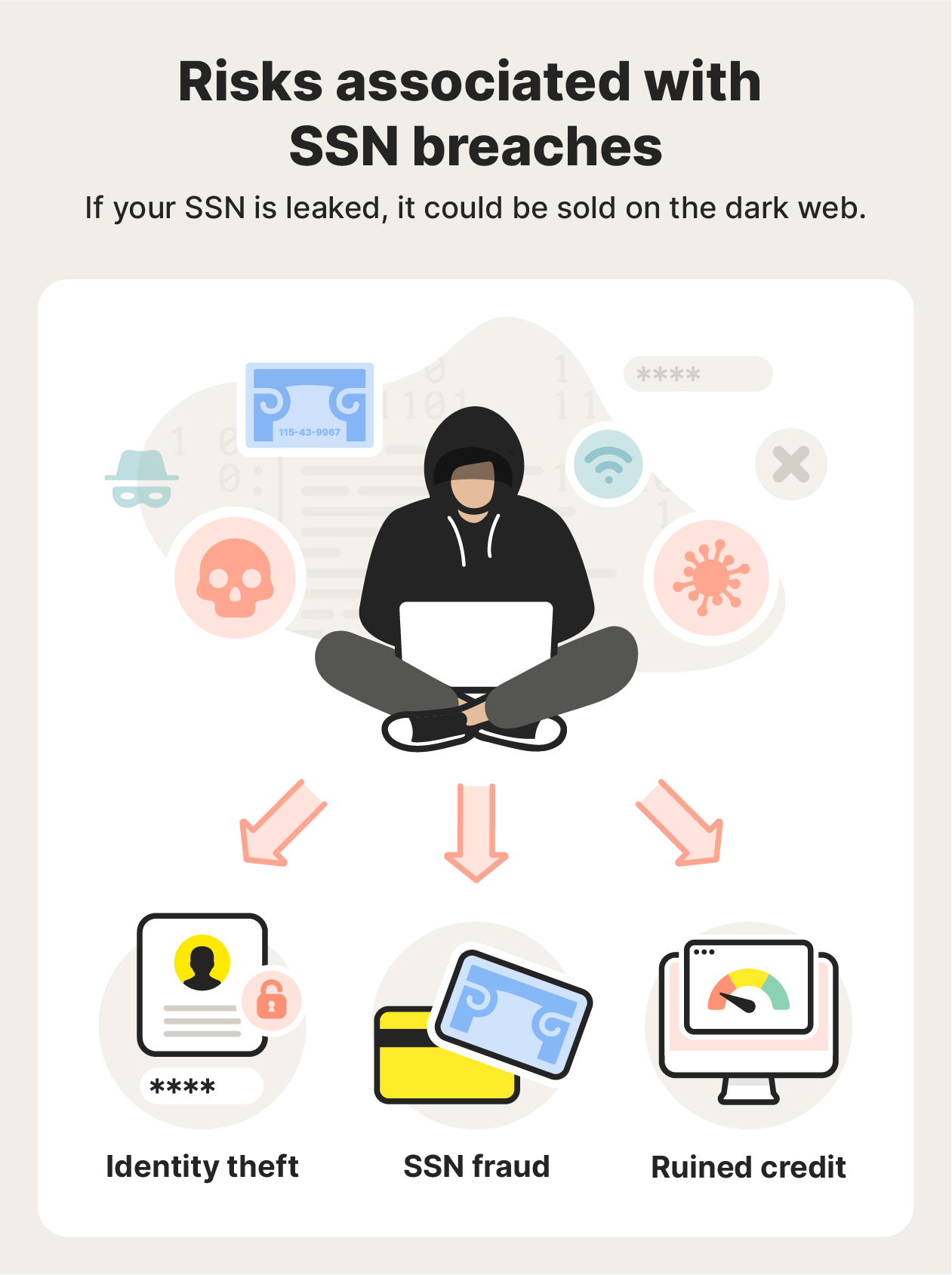
Stolen SSNs may be used to commit Social Security fraud or welfare fraud, open new credit cards or bank accounts, file fraudulent tax returns, or apply for loans in the victim’s name. The thief reaps the benefits and you’re left to sort out the mess. For example, if someone files taxes using your SSN, it could delay your refund, harm your credit, and derail your financial plans.
In some cases, SSNs are combined with other leaked data, such as medical records, employment history, or login credentials. This can lead to more complex forms of fraud, including medical identity theft, government benefits fraud, or fraudulent background checks, making recovery more difficult and time-consuming. In complex cases, the identity theft recovery process can take years.
Major Social Security number leaks
The following examples show how SSNs have been compromised across industries, sometimes affecting millions of individuals at once.
1. National Public Data breach
In 2024, National Public Data (NPD), a data broker, disclosed a large-scale Social Security number breach involving personal information tied to millions of individuals. The exposed data reportedly included names, dates of birth, and addresses, alongside Social Security numbers, creating a significant risk of identity theft for those affected.
The breach, which occurred in late 2023, was later compounded by additional security failures. KrebsonSecurity reported that another data broker with access to NPD’s records had accidentally published database passwords on its homepage, highlighting systemic vulnerabilities in the data broker ecosystem.
Because National Public Data collects information from many sources, some victims may not have realized their data was stored by the company until after the breach was announced.
This breach highlights the importance of taking steps to remove your information from data broker sites.
2. DOGE incident
In 2025, a whistleblower complaint alleged that personnel associated with the Department of Government Efficiency (DOGE) uploaded sensitive personal information of millions of Americans to an unsecured part of the Social Security Administration’s server.
According to ABC News, the data includes information that is collected when people apply for a Social Security card — like names, dates of birth, and SSNs — raising concerns about a potential security incident. Investigations about this alleged risk are ongoing.
3. AT&T breach
In 2024, AT&T announced two different data breaches. In March, a dataset that contained personal information, including Social Security numbers associated with customer records, was uploaded to the dark web. The company stated that the exposure wasn’t caused by compromise of its systems.
In July of 2024, AT&T announced that records of calls and text from 2022 were downloaded from the third-party platform Snowflake. In this incident, no Social Security numbers were leaked, but the cybersecurity experts told the Associated Press that the data could be used to trace users. Lawsuits were filed over both incidents and were consolidated and settled together.
If you suspect your personal information was exposed following a data breach, use a data breach checker to scan the dark web.
4. Change Healthcare incident
Change Healthcare, a subsidiary of United Healthcare, experienced a ransomware attack in 2024 that led to the exposure of sensitive personal and medical information, including Social Security numbers. According to HIPAA Journal, attackers accessed systems and exfiltrated data. They then encrypted key files and demanded a ransom payment.
The company reportedly paid a $22 million ransom to the BlackCat/ALPHV ransomware group. However, the stolen data was later leaked by RansomHub, a separate ransomware group that obtained the data after BlackCat failed to pay the affiliate who conducted the attack.
Social Security number breaches involving healthcare organizations are particularly damaging, as SSNs may be combined with medical details to commit medical identity theft.
5. DISA Global Solutions breach
In 2024, DISA Global Solutions, a company that provides background screening and employment services, reported a data breach that exposed personal information belonging to job applicants. According to Halock Security Labs, the compromised data included Social Security numbers, financial account information, and employment-related records.
The incident resulted in a class action lawsuit against the company. While DISA stated there was no evidence the SSN leak had been misused at the time of disclosure, remember that consequences of identity theft can occur months or years after an SSN breach.
6. LexisNexis breach
LexisNexis, a major data brokerage company, disclosed a data exposure event related to a third-party software integration. Although the breach happened in December 2024, it wasn’t detected until April 2025. According to The Verge, sensitive consumer information, including Social Security numbers, was accessed through a publicly exposed GitHub account connected to a development environment.
SSN leaks involving data brokerage platforms demonstrate how personal information may be stored, shared, and exposed without consumers being fully aware of where their data resides.
7. PowerSchool breach
PowerSchool, an education technology provider used by schools nationwide, disclosed a December 2024 data breach affecting students, parents, and educators. According to Spectrum Local News, attackers accessed the platform using compromised credentials rather than exploiting a software vulnerability.
The exposed data reportedly included Social Security numbers and other sensitive personal information. Credential-based SSN leaks highlight the importance of strong authentication and data privacy practices, as leaked login information can be used to steal data.
8. Connex Credit Union incident
Connex Credit Union reported a cyber incident in which hackers gained unauthorized access to its systems and accessed customer data, including Social Security numbers. According to SecurityWeek, no customer funds were taken, but personal information was exposed.
Hacks tied to financial institutions can put your finances at risk as well as your personal information.
What to do if your Social Security number is leaked
If your SSN was leaked, act quickly. Freeze your credit, brush up on how to report identity theft, and invest in identity theft protection to reduce the chance of identity theft:
- Consider placing a credit freeze or fraud alert with major credit bureaus to block new accounts in your name. An alert requires extra identity verification for one year; a freeze blocks credit inquiries entirely until lifted.
- Review your credit reports regularly for unfamiliar accounts, inquiries, or changes. A credit monitoring service can help you spot changes as they appear.
- Contact the IRS if you believe your Social Security number may be used for tax-related fraud, and learn the red flags of IRS tax scams.
- Stay informed by monitoring for updates from the organization responsible for the data breach, as additional guidance or remediation steps may become available.
- If your identity was stolen, report it to the Federal Trade Commission (FTC). You may also consider filing a report with your local police department and the FBI’s Internet Crime Complaint Center (IC3).
- Invest in services that provide identity and Social Security alerts, like LifeLock. You’ll be notified if your SSN or other PII is detected in applications for new lines of credit so you can act quickly.
How to protect your Social Security number from data leaks
Steps you can take to help protect your SSN include securing your online accounts with 2FA, watching out for phishing attacks, and limiting who you share your personal information with.
While there’s nothing you can do to prevent data breaches at large organizations, if one occurs and your SSN is exposed, freezing your credit and monitoring for signs of identity theft can help protect you from some of the consequences of SSN leaks.
- Sign up for 2FA: Two-factor authentication (2FA) adds an extra layer of security to your online accounts, helping prevent account takeover attacks that could result in stolen personal data.
- Learn to recognize phishing: Learn to spot scam emails, texts, or calls. Be wary of requests for your personal information, especially your SSN. These are likely phishing attacks.
- Reduce your digital footprint: Limit the amount of personal information you share online and remove your details from data broker sites. Identity theft protection services can help with this.
- Keep your software updated: Software updates fix security flaws that hackers use to steal personal data. Turn on automatic updates to stay protected.
- Create a my Social Security account: On my Social Security, you can review your Social Security statements regularly for suspicious activity.
- Don’t carry your Social Security card: Store your SSN in a secure location at home, don’t carry it with you in your wallet.
- Freeze or lock your credit: In the event of a data breach that includes your SSN, freezing or locking your credit can help stop criminals from opening new financial accounts in your name.
- Monitor for signs of identity theft: On your credit report, look out for unfamiliar accounts, charges, or inquiries. Checking your bank statements and credit reports regularly can help catch fraud early.
- Sign up for identity theft protection: Identity theft protection can help you monitor your personal information, alert you to threats, and help you recover if your identity is stolen.
Help protect your identity after an SSN leak
If your Social Security number leaks, your broader identity could be in danger. In combination with other personal information, identity thieves could use your SSN to apply for credit cards, file for government benefits, or take out loans — ruining your credit score in the process. And it often takes victims years to recover.
LifeLock can help you monitor for early signs of identity theft so you can take preventive action before things get out of hand. You’ll also get alerts if your SSN is found on the dark web, updates about major data breaches, and reimbursement coverage if your identity is stolen.
And, if it comes to it, LifeLock’s dedicated U.S.-based restoration specialists are always on hand to provide expert guidance and support to help you recover quickly.
FAQs
What’s the difference between data breaches and leaks?
The key difference is in the intent: a data breach is intentional and usually malicious; it refers to the unauthorized access of data via malware or hacking. A data leak, on the other hand, typically results from an accident, like human error or a misconfigured system. In either event, sensitive information like Social Security numbers can end up exposed.
Have hackers ever accessed the Social Security Administration?
The Social Security Administration’s database has never been hacked. At least, there’s no public evidence that it ever has. However, there are plenty of other ways that hackers can access Social Security numbers, particularly through other organizations that store or collect them.
How do data leaks occur?
Data leaks can occur in a number of ways, including compromised credentials, phishing attacks, misconfigured servers, or unsecured third-party software integrations. Poor security practices and human error also play a frequent role in the accidental exposure of sensitive data.
Will my identity be stolen if my SSN is leaked?
Nothing is for certain, but if your Social Security number is leaked, it definitely increases the chances. Criminals may not act for months or years after they obtain your Social Security number, making constant monitoring and protective actions an ongoing concern.
Editors’ note: Our articles provide educational information about identity theft, scams, financial fraud, and other topics that can put your identity or personal accounts at risk. LifeLock offerings may not cover or protect against every type of crime, fraud, scam, or threat we write about. For more details about how we write, review, and update our articles, see our Editorial Policy.
This article contains
- What is a Social Security number leak?
- How do Social Security number leaks happen?
- Risks associated with SSN breaches
- Major Social Security number leaks
- What to do if your Social Security number is leaked
- How to protect your Social Security number from data leaks
- Help protect your identity after an SSN leak
- FAQs
Related articles