

Has your personal data been recently exposed?
Check if information like your Social Security number, email, and passwords is exposed on the dark web.


You have reached the maximum number of scans allowed. Please come back after 24 hours.

Scanning the dark web...
Scanning public databases...
Scanning millions of records...
Narrowing down the search...
We need more information
Please enter a few more details to ensure we show you the right information.
You’re at high risk
We found your personal information on the dark web and on data broker sites.
 Up to $3M Reimbursement for identity theft, with up to $1M for Stolen Funds†††
$10K Scam Reimbursement7
Scam Support
Credit, Checking and Savings Activity Alerts: Unlimited Accounts
Credit & Payday Loan Lock2
Credit Monitoring:
3 Bureau1
Automatic Data Broker Removal8
Dark Web Monitoring
Priority 24/7 Customer Phone Support
Up to $3M Reimbursement for identity theft, with up to $1M for Stolen Funds†††
$10K Scam Reimbursement7
Scam Support
Credit, Checking and Savings Activity Alerts: Unlimited Accounts
Credit & Payday Loan Lock2
Credit Monitoring:
3 Bureau1
Automatic Data Broker Removal8
Dark Web Monitoring
Priority 24/7 Customer Phone Support
LifeLock Total

No one can prevent all cybercrime or prevent all identity theft.
- Price valid for introductory term. After that, your price will renew at the standard price.
- Your subscription begins immediately after your transaction is complete. A payment method is required at sign-up for trials, and you will be charged at the end of your trial, unless canceled first.
- Prices are subject to change and may be charged up to 35 days prior to renewal. Cancel here or contact Member Services.
- Restrictions apply. Automatically renewing subscription required. If you're a victim of identity theft and not satisfied with our resolution, you may receive a refund for the current term of your subscription. See lifelock.norton.com/guarantee for complete details.
††† Up to $1 million coverage for Lawyers and Experts included with all plans. Reimbursement and expense compensation vary according to plan. Insurance benefits are issued by third parties. See lifelock.norton.com/legal for policy info.
1 Bureau Monitoring and Monthly Credit Report and Score / 3 Bureau Monitoring and Monthly Credit Report and Score.
2 Credit Lock cannot prevent all account takeovers, unauthorized account openings, or credit file inquiries. Deactivates if you downgrade or cancel your subscription.
7 Scam protection coverage as part of identity theft benefits is currently available to all customers residing in the United States, including U.S. territories and the District of Columbia, with the exception of residents of New York. Gen Digital is not a licensed insurance producer. Benefits under the Master Policy are issued and covered by HSB Specialty Insurance Company. You can find further details and exclusions in the summary of benefits.
8 After setup, automatic data broker removal service scans and requests removal every 90 days.
You’re at medium risk
We found your personal information on data broker sites.
Up to $1.2M Reimbursement for identity theft, with up to $100K for Stolen Funds†††
$5K Scam Reimbursement7
Scam Support
Credit, Checking and Savings Activity Alerts:
5 Accounts
Credit & Payday Loan Lock2
Credit Monitoring:
3 Bureau1
Automatic Data Broker Removal8
Dark Web Monitoring
Priority 24/7 Customer Phone Support
LifeLock Advanced
No one can prevent all cybercrime or prevent all identity theft.
- Price valid for introductory term. After that, your price will renew at the standard price.
- Your subscription begins immediately after your transaction is complete. A payment method is required at sign-up for trials, and you will be charged at the end of your trial, unless canceled first.
- Prices are subject to change and may be charged up to 35 days prior to renewal. Cancel here or contact Member Services.
- Restrictions apply. Automatically renewing subscription required. If you're a victim of identity theft and not satisfied with our resolution, you may receive a refund for the current term of your subscription. See lifelock.norton.com/guarantee for complete details.
††† Up to $1 million coverage for Lawyers and Experts included with all plans. Reimbursement and expense compensation vary according to plan. Insurance benefits are issued by third parties. See lifelock.norton.com/legal for policy info.
1 Bureau Monitoring and Monthly Credit Report and Score / 3 Bureau Monitoring and Monthly Credit Report and Score.
2 Credit Lock cannot prevent all account takeovers, unauthorized account openings, or credit file inquiries. Deactivates if you downgrade or cancel your subscription.
7 Scam protection coverage as part of identity theft benefits is currently available to all customers residing in the United States, including U.S. territories and the District of Columbia, with the exception of residents of New York. Gen Digital is not a licensed insurance producer. Benefits under the Master Policy are issued and covered by HSB Specialty Insurance Company. You can find further details and exclusions in the summary of benefits.
8 After setup, automatic data broker removal service scans and requests removal every 90 days.
Good news!
We didn’t find your personal information across millions of records or on public data sources.
Up to $1.05M Reimbursement for identity theft, with up to $25K for Stolen Funds†††
Identity Restoration Specialists
Credit, Checking and Savings Activity Alerts:
2 Accounts
Credit & Payday Loan Lock2
Credit Monitoring:
2 Bureau1
Automatic Data Broker Removal8
Dark Web Monitoring
Breach Alerts
24/7 Customer Phone Support
Lifelock Core
No one can prevent all cybercrime or prevent all identity theft.
- Price valid for introductory term. After that, your price will renew at the standard price.
- Your subscription begins immediately after your transaction is complete. A payment method is required at sign-up for trials, and you will be charged at the end of your trial, unless canceled first.
- Prices are subject to change and may be charged up to 35 days prior to renewal. Cancel here or contact Member Services.
- Restrictions apply. Automatically renewing subscription required. If you're a victim of identity theft and not satisfied with our resolution, you may receive a refund for the current term of your subscription. See lifelock.norton.com/guarantee for complete details.
††† Up to $1 million coverage for Lawyers and Experts included with all plans. Reimbursement and expense compensation vary according to plan. Insurance benefits are issued by third parties. See lifelock.norton.com/legal for policy info.
1 Credit features require successful setup, identity verification, and sufficient credit history by the appropriate credit bureau. Credit monitoring features may take several days to activate after enrollment.
2 Identity Lock cannot prevent all account takeovers, unauthorized account openings, or credit file inquiries. Deactivates if you downgrade or cancel your subscription.
8 After setup, automatic data broker removal service scans and requests removal every 90 days.

 Why do we ask?
Finding your match...

10 cents
If your information is exposed or stolen in a data breach, it can end up on the dark web where it can be sold for as little as 10 cents.
100M+
LifeLock monitors hundreds of millions of data points a second.
- Up to $1.05M Reimbursement for identity theft, with up to $25K for Stolen Funds†††
- Up to $1.2M Reimbursement for identity theft, with up to $100K for Stolen Funds†††
- Up to $3M Reimbursement for identity theft, with up to $1M for Stolen Funds†††
- Up to $1.05M Reimbursement for identity theft, with up to $25K for Stolen Funds††† for each adult
- Up to $1.2M Reimbursement for identity theft, with up to $100K for Stolen Funds††† for each adult
- Up to $3M Reimbursement for identity theft, with up to $1M for Stolen Funds††† for each adult
- Up to $1.05M Reimbursement for identity theft, with up to $25K for Stolen Funds††† for each adult
- Up to $1.2M Reimbursement for identity theft, with up to $100K for Stolen Funds††† for each adult
- Up to $3M Reimbursement for identity theft, with up to $1M for Stolen Funds††† for each adult
- Credit Monitoring Coverage1
- Credit Monitoring1 each adult
- Credit Monitoring1 for family
- Credit, Checking & Savings Account Activity Alerts
- Credit, Checking and Savings Activity Alerts for each adult
- Credit, Checking and Savings Activity Alerts for family
- 401K & Investment Account Activity Alerts
- 401K/Investment Account Alerts for each adult
- 401K/Investment Account Alerts for family
- Recurring and Unusual Charge Alerts
- Unexpected & Suspicious Charge Alerts for each adult
- Unexpected & Suspicious Charge Alerts for family
- Stolen Funds Reimbursement†††
- Stolen Funds Reimbursement††† for each adult
- Stolen Funds Reimbursement††† for family
- Lawyers and Experts†††
- Lawyers & Experts††† for each adult
- Lawyers & Experts††† for family
- Automatic Data Broker Removal8
- Automatic Data Broker Removal8 for each adult
- Automatic Data Broker Removal8 for family
- Scam Reimbursement7
- Scam Reimbursement7 for each adult
- Scam Reimbursement7 for family
- Credit Reports & Scores1
- Credit Report & Score for each adult
- Credit Report & Score for family
- Social Media Monitoring
- Social Media Monitoring for each adult
- Social Media Monitoring for family


††† Up to $1 million coverage for Lawyers and Experts included with all plans. Reimbursement and expense compensation vary according to plan. Insurance benefits are issued by third parties. See LifeLock.Norton.com/legal for policy info.
1 Credit features require successful setup, identity verification and sufficient credit history by the appropriate credit bureau. Credit monitoring features may take several days to activate after enrollment.
7 Scam protection coverage as part of identity theft benefits is currently available to all customers residing in the United States, including U.S. territories and the District of Columbia, with the exception of residents of New York. Gen Digital is not a licensed insurance producer. Benefits under the Master Policy are issued and covered by HSB Specialty Insurance Company. You can find further details and exclusions in the Summary of Benefits.
8 After setup, automatic data broker removal service scans and requests removal every 90 days.
Why do we ask?
Identifying your concerns gives us the ability to recommend the right plan for your needs.
Why do we ask?
Knowing this number helps us recommend coverage that fits your needs.
Why do we ask?
Providing your email address makes you eligible for notifications of potential identity threats.
Is Who's Who in America a scam or an honor?
Marquis Who’s Who in America has recognized notable professionals for well over a century, but its well-known name can also attract impostors and scammers. Fake Who’s Who schemes may use convincing emails, calls, or offers to trick targets into handing over money or personal information. Learn how these scams work, the warning signs to watch for, and how to protect yourself.


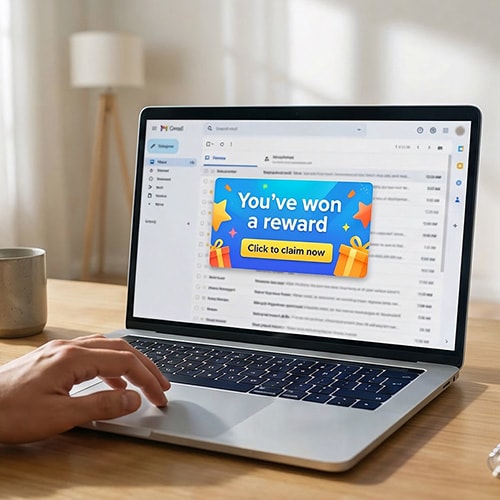
"You've been nominated!" The words jump out from an unexpected email, LinkedIn message, or mailed letter. Finally being recognized for your hard-earned achievements might feel wonderful, but it's worth taking a closer look before you celebrate.
Marquis Who’s Who is a legitimate organization that has published “Who's Who in America” since 1899. But it’s also commonly impersonated by scammers seeking to trick professionals with convincing nomination emails, calls, or messages. These scams can be designed to steal personal information, collect fraudulent payments, or persuade victims to pay for services that are never provided.
Don't let impostors turn your accomplishments into a liability. Learn how to identify a Who's Who in America scam and what to do if you're targeted by one.
Protect against scams
Join LifeLock to help reduce exposure of your information, get expert support spotting scams, and receive up to $10,000 in reimbursement for scam-related losses.



What is Marquis Who’s Who in America?
Marquis Who's Who in America is a periodical directory listing the biographical information of notable professionals in the U.S. Albert Nelson Marquis was inspired to create the Who’s Who directory highlighting exceptional individuals nationwide by the manufacturers and industrialists reshaping Chicago after the Great Fire. The first edition was published in June 1899 with 8,602 biographies.
Today, the printed version of Who’s Who in America is on its 74th edition, and the online directory lists over 1.6 million biographies. Marquis has also expanded its range of publications to include spin-off directories like Who’s Who in the World and Who’s Who of Professional Women.

Is Who’s Who in America a scam?
The real Marquis Who's Who in America is not a scam. It's a legitimate biographical directory that recognizes notable individuals in the U.S. and beyond. Being listed is free for people who are nominated or successfully apply, while the company generates revenue through optional commemorative products and promotional services.
But scammers posing as Marquis Who's Who are a different story. These impostors seek to exploit the publication’s prestige by flattering victims with claims that they've been selected for recognition, then demand an upfront fee — something the legitimate company doesn't require for inclusion.
What does a real Who’s Who in America nomination look like?
Marquis Who’s Who generally sources candidates through direct applications or nominations from existing listees, rather than contacting potential nominees out of the blue. In either case, candidates must complete a qualification process before they can be included.
If someone nominates you without your knowledge, Marquis may contact you unexpectedly. However, a legitimate approach won’t simply congratulate you and request payment. Instead, you’ll be invited to complete an application and, if you qualify, participate in a phone interview before being listed.
How to spot a Who’s Who in America scam
Who's Who in America scams often have several telltale signs that can give them away. The clearest red flag is a payment request: Marquis Who’s Who doesn’t charge a listing fee, so any such demand supposedly from Who's Who in America should be treated as fraudulent.
These are some other signs that you’re being targeted by a Who’s Who scammer:
- Suspicious email domains: Legitimate Marquis Who’s Who emails should come from addresses ending in @marquiswhoswho.com or @marquisww.com. Scammers may use fake email addresses with subtle misspellings or lookalike domains, so check the sender carefully.
- Aggressive upselling: Marquis Who’s Who does sell optional commemorative and promotional products, but aggressive sales pressure (especially before you’ve even qualified for a listing) is a red flag.
- Requests for sensitive information: A legitimate application shouldn’t require financial details, your Social Security number, or medical records. Requests for highly sensitive information should be treated with suspicion.
- Low-quality or AI-generated images: Pixelated logos, watermarked graphics, or suspicious AI-generated profile photos may indicate that the person contacting you isn’t who they claim to be.
- Suspicious links: Emails from Who’s Who in America impersonators may contain malicious links that install malware or lead to fake websites designed to steal personally identifiable information. Verify the message independently before clicking anything.
- Inconsistent contact information: Verify any suspicious communication against the contact information listed on the official Who's Who in America website. Don't reply to the email or phone number directly — always look up the contact information yourself.

If you’re ever unsure about whether an email, text, or message was really from Marquis Who’s Who, you can contact the company directly to verify the communication by emailing info@marquiswhoswho.com or calling (908) 673-0100.
Types of Who’s Who scams
Marquis Who’s Who in America’s name recognition makes it an attractive target for impersonators. But scammers don’t rely on a single approach — they exploit Who’s Who’s credibility and recognition-based business model in several ways.
Here are the most common Who’s Who scams to watch for.
Nomination or selection phishing scam
The most straightforward Who’s Who scam involves fraudsters impersonating Marquis Who’s Who and contacting targets by email, social media, text, or letter with claims that they’ve been nominated or selected for inclusion.
These phishing scams typically demand an upfront listing fee or direct you to a form requesting personal information. If you provide sensitive details, scammers could use them to compromise your online accounts or even steal your identity.
One target shared their story on LinkedIn, describing a convincing interaction that eventually turned into requests for personal information and a high-pressure sales pitch:
“She offered to write a bio, a press release, wall plaque and to include me in their database. She gave me the choice of premiere or standard plan. Premiere costing $1789 and standard costing $1400.
Then she asked for my address and I told her I could not provide that right now and she said she needed my address to start processing. I asked for everything in writing. Then she started throwing out new offers and deals and tried to pressure me to commit to a payment.”
Because Marquis Who's Who trades on professional prestige, scammers exploiting its name often deploy the technique in LinkedIn scams, where a fake "nomination" hits harder than a random email. But while the specific platform may vary, the playbook doesn't: build trust through social engineering, then go after the victim’s money or personal information.
Impersonator phone scams
Marquis Who's Who in America rarely cold-calls anyone, and typically only reaches out by phone if you've already applied to be listed. But that hasn't stopped scammers from impersonating the organization over the phone, using high-pressure sales tactics to extract payment or personal information.
These calls can be surprisingly convincing. Scammers often pull basic professional details from a public LinkedIn profile beforehand to lend them an air of authenticity. Once they have you on the line, they'll push for an upfront fee, ask for sensitive details to "complete your application," or try to sell a membership package on the spot.
Copycat publications
Not every Who’s Who scam directly impersonates Marquis Who’s Who. Because “Who’s Who” is a widely used phrase, scammers can create similarly named directories and use the promise of professional recognition to collect listing fees or personal information.
And illegitimate copycats can be difficult to identify, especially because Marquis itself publishes several specialized directories, including Who’s Who of Professional Women, Who’s Who in Asia, and Who’s Who in Finance and Business.
If you’re approached by a publication you don’t recognize, research it independently before responding. Check whether it appears on the official Marquis website and be wary of any supposed nomination that requires upfront payment for inclusion.
Expensive book or plaque upsells
Marquis Who’s Who does sell optional commemorative and promotional products, including plaques, printed directories, press releases, and video biographies. Some can be expensive — a single volume of its printed directory can run up to $489 — but purchasing these extra bells and whistles isn’t required for inclusion.
That doesn’t stop impostors selling counterfeit or nonexistent versions of these products. Every year, victims pay hundreds of dollars for fake plaques, directories, or promotional packages that never arrive, all while exposing their payment details and other personal information to fraudsters.
What to do if you’re contacted
If someone claiming to represent Marquis Who’s Who contacts you, don’t let the promise of recognition rush you into responding. Take a moment to verify the approach before sharing information, making a payment, or agreeing to anything.
Here’s what you should do if you’re contacted:
- Check whether it’s legitimate: Look for suspicious email domains, poor-quality graphics, unexpected payment requests, and high-pressure sales tactics. If you’re unsure, contact Marquis Who’s Who independently using details from its official website.
- Consider the professional value: Even if the offer is legitimate, decide whether being listed or purchasing optional products offers enough value for you. Remember that inclusion doesn’t guarantee specific professional benefits.
- Protect sensitive information: Never provide unnecessary sensitive data, such as your Social Security number or bank account details. Be cautious about sharing your home address or other personal information unless you’ve verified why it’s needed.
- Block and report scammers: If you believe the approach is fraudulent, stop communicating and block the sender. Report suspicious emails, texts, or social media messages as spam or fraud through the platform.
- Report the fraud: Report confirmed impersonation scams to the Federal Trade Commission (FTC) and the FBI’s Crime Complaint Center (IC3). Your report can help investigators build a bank of evidence that helps future victims.
Don't let your success be used against you
Greater professional visibility shouldn't come with a bigger target on your back. Marquis Who’s Who scams exploit excitement and trust, pushing you to act before you have time to verify the opportunity. LifeLock helps you stay one step ahead with expert scam support and reimbursement protection for eligible losses if something slips through.
You’ll also benefit from broader identity theft protection with features like dark web monitoring, automatic data broker removal, and financial account alerts, making it easier to spot warning signs early and protect your information with greater confidence.
FAQs
Is Marquis Who's Who legit?
Yes, Marquis Who’s Who is a legitimate, well-established company, but scammers often use its name in fake award or profile offers. If you receive an unexpected request for payment or personal information, verify the communications directly with the company using their official contact details before responding.
How do I know if my Who’s Who nomination is real?
If a nomination appears legitimate but you’re still unsure, contact Marquis Who’s Who independently to verify it. Don’t reply to the original message or use any links, phone numbers, or contact details it provides. Instead, reach out to the company directly using their official contact details.
Is Marquis Who's Who worth it?
It depends on what you hope to gain. Because inclusion is free, being listed can be an appealing way to document and celebrate your professional achievements. But it doesn’t guarantee specific career opportunities or exposure, and some people may prefer to keep a lower profile.
Marquis also offers optional paid commemorative and promotional products on top of free listings, so carefully consider whether those extras provide enough value for you before purchasing.
Editors’ note: Our articles provide educational information about identity theft, scams, financial fraud, and other topics that can put your identity or personal accounts at risk. LifeLock offerings may not cover or protect against every type of crime, fraud, scam, or threat we write about. For more details about how we write, review, and update our articles, see our Editorial Policy.
This article contains
- What is Marquis Who’s Who in America?
- Is Who’s Who in America a scam?
- What does a real Who’s Who in America nomination look like?
- How to spot a Who’s Who in America scam
- Types of Who’s Who scams
- Impersonator phone scams
- Copycat publications
- Expensive book or plaque upsells
- What to do if you’re contacted
- Don't let your success be used against you
- FAQs
Related articles